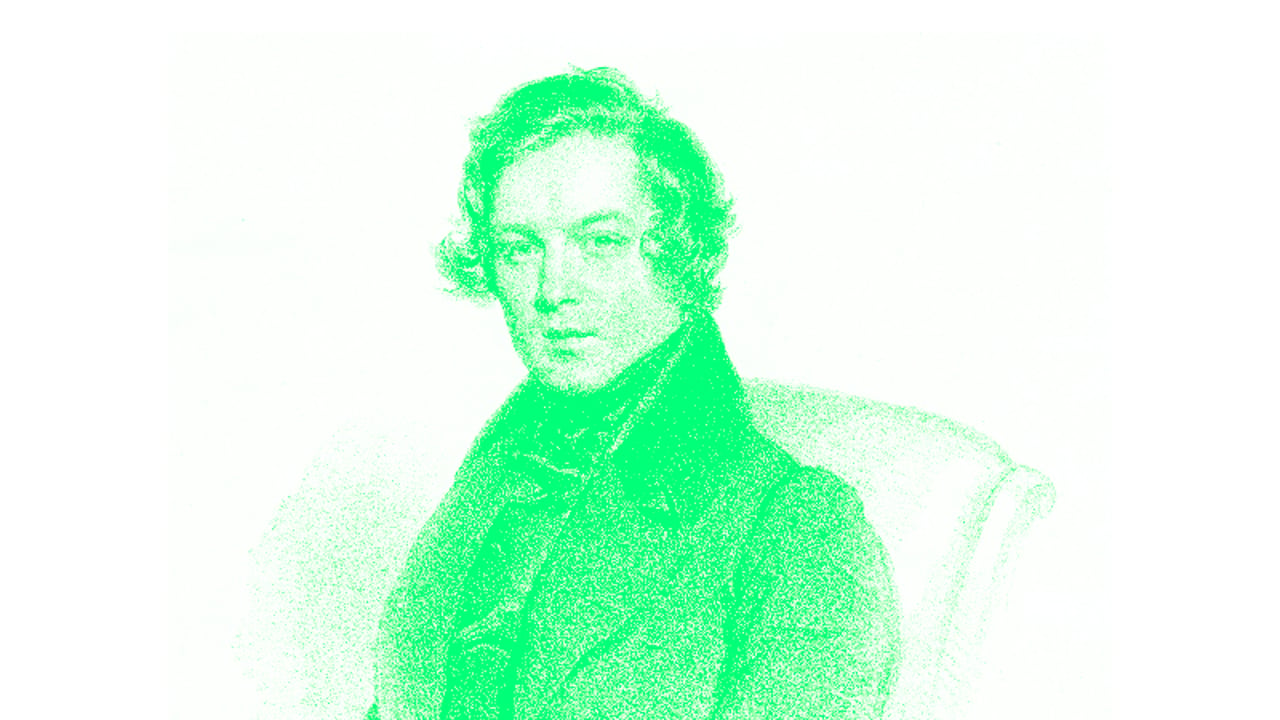
The music of the American composer Julius Eastman has received well-deserved attention in recent years. His experimental and provocative works are deeply rooted in his personal experiences of discrimination against Black and queer communities.
Most of Eastman's compositions are written for open or flexible instrumentation, meaning that the precise combination of performers and instruments may vary depending on who takes part in a given performance. Rather than relying on conventional notation, his music is built from repeating motifs that gradually transform through improvisation. This creates a multilayered structure in which performers move between roles, repeat musical material at will, and collectively shape the overall form of the work in real time.
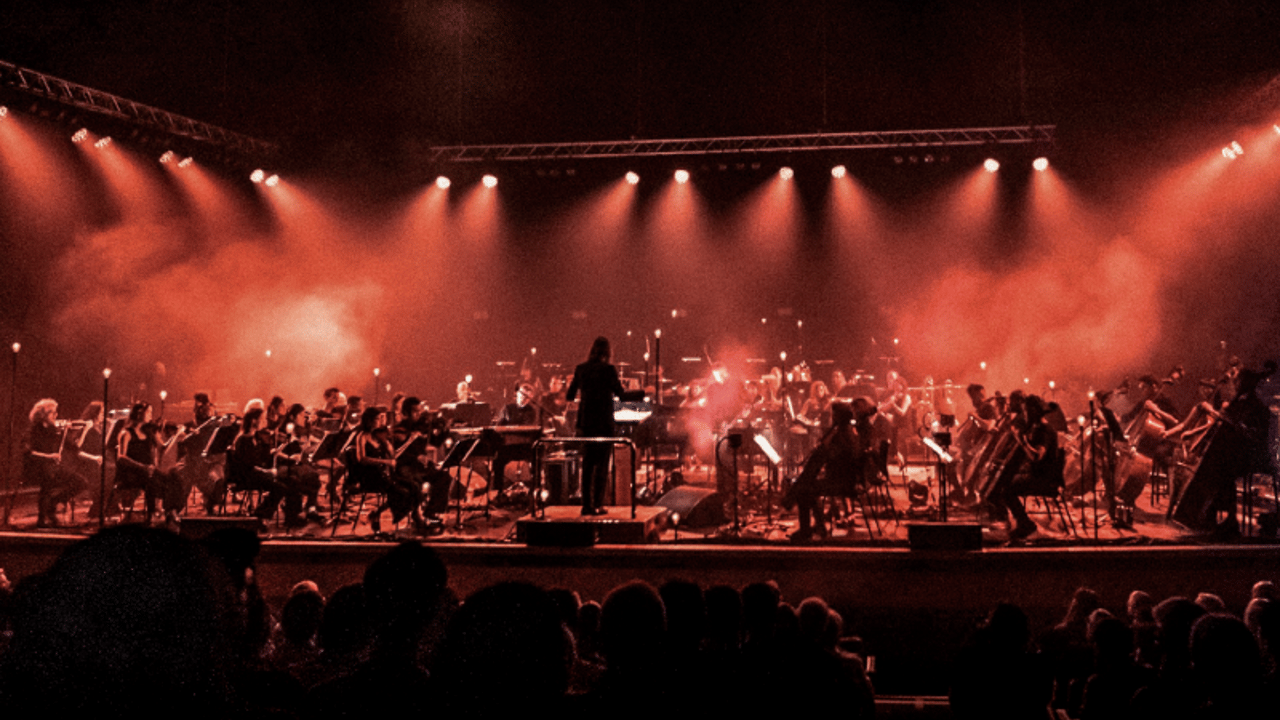
In this concert, Elja chamber ensemble will also premiere a new piece by Pétur Eggertsson entitled Krókaleið (Detour). Strongly influenced by the experimental music of Julius Eastman, Pétur works across visual art and performance, with a particular focus on the transformation of sound through chance-based translations between different media. His work also explores and expands the roles of both performers and audiences.

A Detour Through Julius Eastman - Seigla
Harpa tónlistar- og ráðstefnuhús, Austurbakki 2, 101 Reykjavík Directions
Sat 08.08.2026 18:00
ISK 4500.00
Tickets / Registration
ISK 4500.00
Tickets / Registration
ABOUT THE PERFORMERS:
Elja Ensemble consists of some of Iceland’s most talented young musicians, most of whom are already establishing themselves among the country’s leading performers, conductors, and artists. Their performances are known for being exciting and energetic, and seeking to engage with the audience on a personal level. The ensemble is dedicated to varied and innovative programming and seeks to represent a broad range of musical styles and genres rather than strictly traditional classical styles.
Elja Ensemble consists of some of Iceland’s most talented young musicians, most of whom are already establishing themselves among the country’s leading performers, conductors, and artists. Their performances are known for being exciting and energetic, and seeking to engage with the audience on a personal level. The ensemble is dedicated to varied and innovative programming and seeks to represent a broad range of musical styles and genres rather than strictly traditional classical styles.
Performers
-
Elja - Seigla festival
Chamber orchestra
-
Hjörtur Páll Eggertsson
Conductor
-
Seigla Festival's Final RecitalSeigla Festival is a classical music festival held in Harpa on the 5th-7th of August. Browse the festival programme on our website at: seiglafestival.com Seigla Festival’s final recital features music by American and Nordic composers, starting with Hallelujah Junction, a two piano piece by John Adams. The main characteristics are short rhythmic patterns that echo between the two instruments, and serve as an analogy for how traffic at a junction moves. The rhythmic patterns of the opening derive from the word „Hallelujah“, where the accent lands on the third syllable, through which one might hear the rhythm of the pianos say “llelujah, llelujah, llelujah…”. The two instrumentalists play the rhythms at a slight delay, creating a sense of planned resonance or echo. Hallelujah Junction is loosely structured into three contrasting movements whereas the music flows in gradual changes towards the final moments: a true onomatopoeic feast. Here, we get to hear the rhythmic pattern of the full four syllables in the word „Hallelujah“ as well as the „Junction“ being thrown rapturously between the two instruments. Despite the fact that the Nordic composers and contemporaries Edvard Grieg and Jean Sibelius never managed to actually meet in person, they respected one another’s music and even wrote letters stating their mutual admiration. Both were big admirers of the German Lied and wrote significant collections in the style. Six Songs, Op. 48, by Edvard Grieg are among his best known and beloved. After the intermission we will hear three short and romantic solo pieces by Jean Sibelius from his Ten Pieces for Piano, Op. 24. Sibelius’ larger-scale pieces are by far his best known, his symphonies and violin concerto, but he also wrote a considerable amount of incredibly beautiful lieder, chamber pieces and piano pieces which are seldom performed. Seigla Festival’s Final Recital concludes with Amy Beach’s songs for voice, violin, cello and piano. Beach was the first American woman to achieve widespread recognition as a composer. An incredible artist and pioneer, she wrote over 150 songs to poems both by herself and others, and often influenced by folk music. Performers: Hlín Pétursdóttir Behrens, soprano Vera Hjördís Matsdóttir, soprano Ólafur Freyr Birkisson, bass baritone Gunnhildur Daðadóttir, violinist Guðný Jónasdóttir, cellist Elisabeth Streichert, pianist Erna Vala Arnardóttir, pianist Pétur Ernir Svavarsson, pianist